
Access-over-safety in the abortion pill debate illustrates why the abortion industry has proven itself unfit to provide women’s healthcare.
More stories are emerging of women being coerced into taking abortion pills without their consent. One recent case in Washington involved a man criminally charged after allegedly secretly administering abortion pills to his girlfriend. Similar stories continue to surface across the country and in Louisiana.
Yet rather than confront the dangers created by the widespread and poorly regulated distribution of abortion pills, abortion activists often attempt to shift blame toward pro-life laws that protect unborn children by banning elective abortion.
What is especially troubling is the refusal of major abortion providers and advocacy organizations to denounce the reckless practice of mailing abortion pills without meaningful safety protocols. Instead, they are choosing to use their platform to defend the practice.
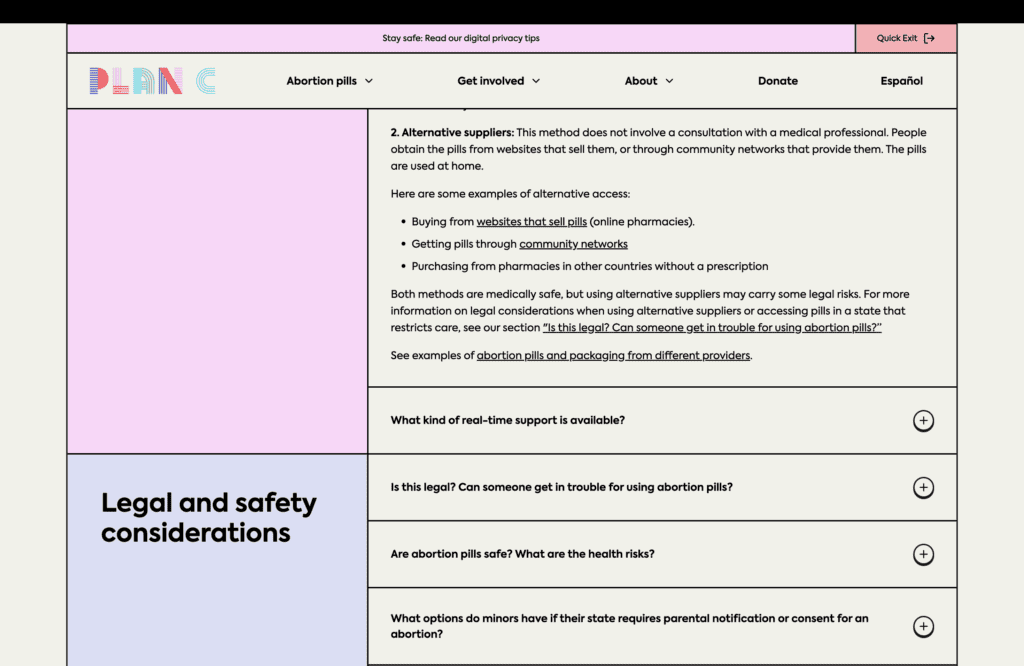
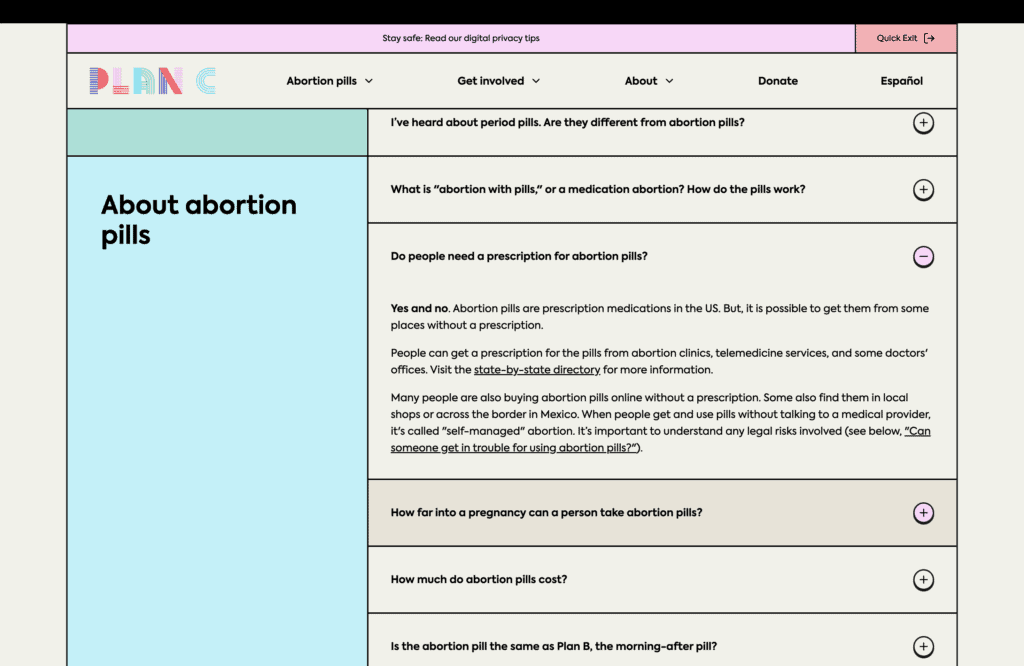
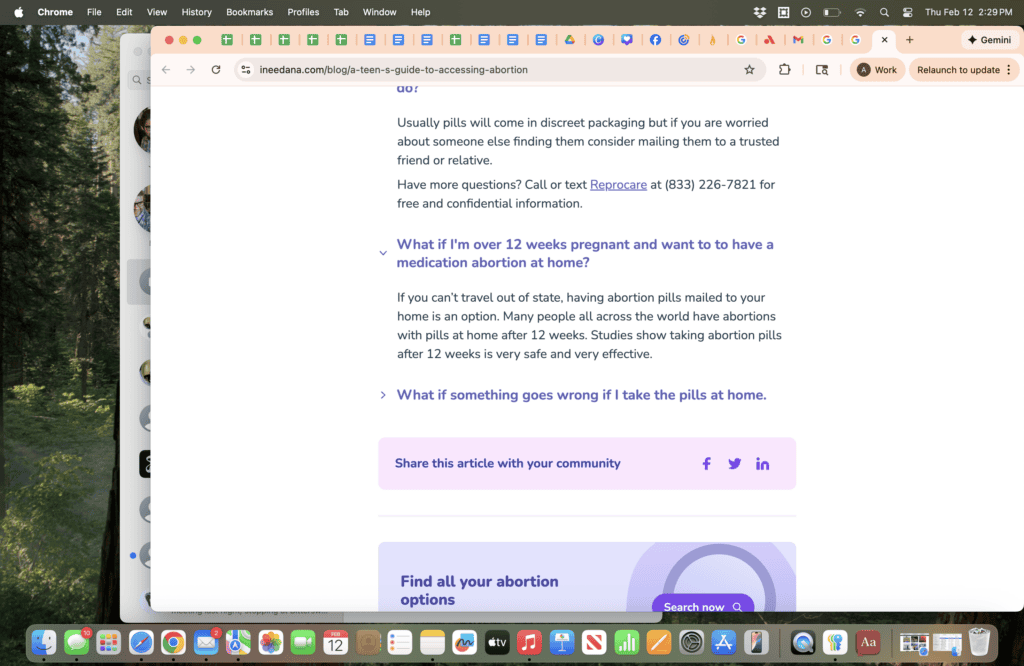
Many activist groups that distribute abortion pills online operate without physician oversight or professional medical staff. Most do not verify patient identity, even though identity confirmation is a basic safeguard in legitimate telehealth practices because it prevents abusers from falsely assuming someone else’s identity to obtain abortion pills. Others advise women in states like Louisiana to conceal abortion pill use from emergency room doctors by claiming they are experiencing a natural miscarriage.
This advice is dangerous and irresponsible. If a woman has an allergic reaction to abortion pills, for example, it is essential her medical team know the substance she ingested.
Pregnant women cannot be prosecuted in Louisiana for taking abortion pills, meaning there is no legal risk in disclosing abortion pill use to medical professionals. That information can be medically significant in the event of complications, allergic reactions, or other emergencies. Encouraging women to withhold that information puts their health at even greater risk.
It also likely distorts public health data. When abortion pill complications are misclassified as natural pregnancy complications, it becomes harder to accurately track the true risks associated with chemical abortion. This can artificially inflate maternal health statistics tied to pregnancy while obscuring the real rate of abortion pill complications.
The reckless availability of abortion pills has also contributed to situations where women are pressured or forced into abortions they did not want.
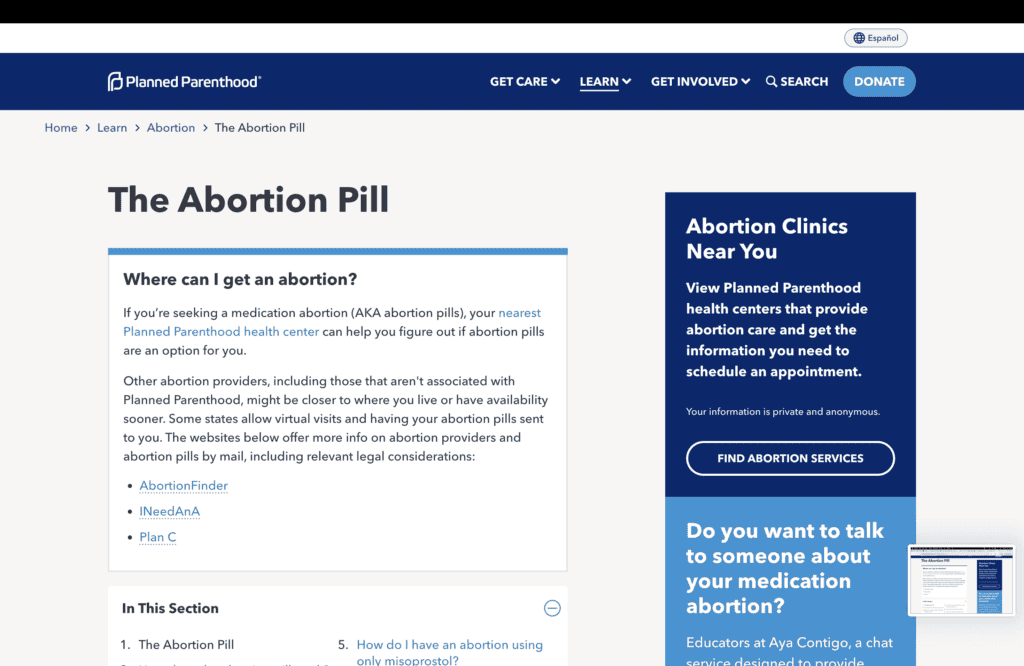
If organizations considered by many pro-choice individuals to be legitimate healthcare providers, like Planned Parenthood, were truly committed to women’s health and safety, they would openly warn patients about the ethical and medical risks associated with obtaining abortion pills through loosely regulated websites that lack safety protocols or medical supervision. Instead, many entities like Planned Parenthood direct women to these sites and, in doing so, legitimize unsafe practices.